Unlocking Continuous Improvement with FulcrumSC™ in Your Supply Chain

Updated: Feb 9
Continuous improvement in supply chains is essential to meet customer demands, reduce waste, and increase efficiency. Yet many organisations struggle to find a practical, repeatable system that delivers measurable results quickly. FulcrumSC™ offers a clear path to fixing the flow of work across your supply chain in just 12 weeks. This post explores how FulcrumSC™ works, its six phases, and the typical improvements you can expect by using this proven continuous improvement system.

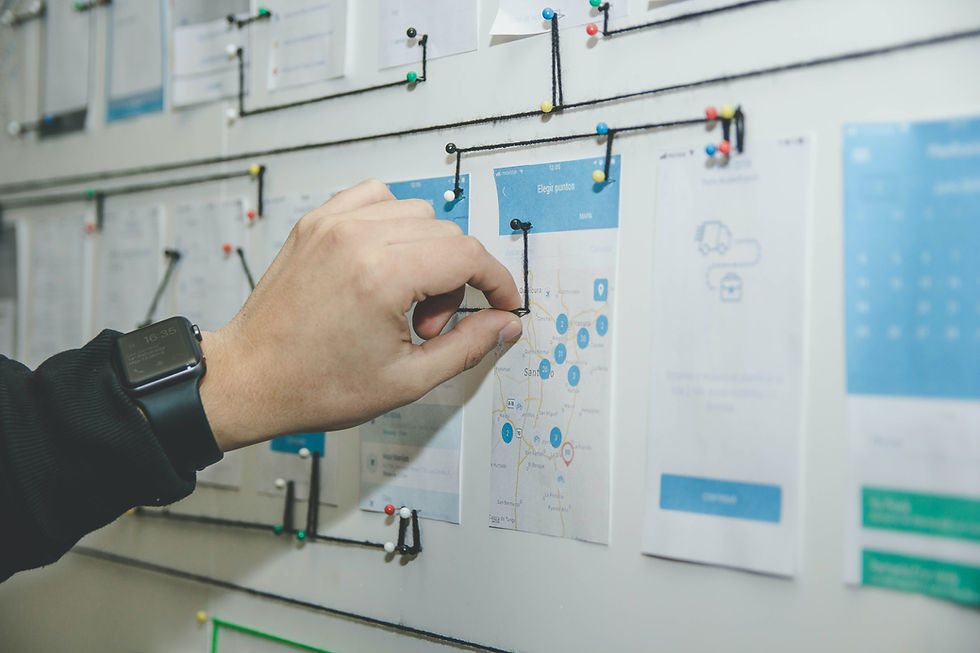
FulcrumSC™ helps visualise and manage supply chain flow for faster, more reliable delivery.
Understanding Continuous Improvement in Supply Chains
Continuous improvement is not just a buzzword; it is a critical strategy for organisations aiming to thrive in today’s competitive landscape. By focusing on ongoing enhancements, companies can adapt to changing market demands and improve their operational efficiency.
The Importance of a Structured Approach
Many continuous improvement methods promise results but take months or years to show impact. FulcrumSC™ is designed to start delivering improvements in weeks, not months. It combines practical tools with a scientific approach to diagnose, design, stabilise, and scale improvements across the supply chain.
The system is powered by the SCiX Method™, which focuses on how work really moves through your processes. Instead of abstract theories, FulcrumSC™ aligns with the natural flow of work, making it easier for teams to adopt and sustain improvements.
The Six Phases of FulcrumSC™
FulcrumSC™ breaks down continuous improvement into six clear phases. Each phase has specific deliverables, templates, and diagnostic checks. Teams can follow the phases linearly or iterate as needed to refine their approach.
1. Aim: Strategy and Alignment
The first phase sets the foundation by defining your strategy and aligning the team around clear goals. This includes:
Defining your north-star outcomes and priorities
Creating sharp problem statements with success metrics
Prioritising your improvement portfolio with clear ownership
Cascading strategy into execution plans
Setting portfolio guardrails to focus effort where it matters most
This phase ensures everyone understands what success looks like and where to focus resources.
2. Load: Understanding Work and Capacity
In this phase, teams analyse the current flow of work and identify bottlenecks or overload points. The goal is to understand how much work the system can handle and where delays or errors occur.
3. Lever: Designing Improvements
Based on insights from the Load phase, teams design targeted improvements to fix flow issues. This may include process changes, resource adjustments, or technology enhancements.
4. Engage: Pilot and Implement
This phase turns plans into new habits. Teams pilot improvements safely, monitor results, and adjust as needed. The focus is on embedding changes into daily work to ensure sustainability.
5. Balance: Stabilise and Standardise
Once improvements show positive results, this phase focuses on stabilising the new processes and standardising best practices across teams.
6. Calibrate: Scale and Sustain
The final phase ensures that continuous improvement becomes part of the organisational culture. Teams calibrate performance, scale successful changes, and build ongoing improvement capacity.
Typical Results from FulcrumSC™
Organizations using FulcrumSC™ have seen significant improvements across key supply chain metrics. Based on over 65 projects, typical results include:
On-time delivery improvements between 12% and 20%
Lead time reductions of 30% to 50%
Inventory work-in-process reductions of 15% to 25%
Quality improvements with right-first-time rates increasing 25% to 40%
These ranges vary depending on the starting baseline, project scope, and industry, but they demonstrate the system’s ability to deliver measurable impact quickly.
How to Get Started with FulcrumSC™
Getting started with FulcrumSC™ is straightforward. The system provides clear templates and diagnostic tools to guide your team through each phase. You can move through the phases linearly or revisit earlier steps as you learn and adapt. See more details here.
Many organizations begin with a 12-week project to fix flow issues in a specific area of their supply chain. This focused approach allows teams to see results fast and build momentum for broader improvements.
If you want to learn more, booking a 20-minute introductory call can help clarify how FulcrumSC™ fits your unique challenges and goals. Contact Jolanda Pretorius - +27834601175 or jolanda@end2endsc.co.za.
Practical Tips for Success
Engage your team early: Involve frontline workers and managers from the start to ensure buy-in and practical insights.
Focus on clear metrics: Define success with measurable outcomes like delivery rates, lead times, or quality levels.
Use the templates: FulcrumSC™ provides ready-to-use tools that save time and keep the project on track.
Iterate as needed: Continuous improvement is a cycle. Don’t hesitate to revisit earlier phases to refine your approach.
Celebrate quick wins: Highlight early successes to build confidence and sustain momentum.
Conclusion: Embrace Continuous Improvement
In conclusion, embracing continuous improvement in your supply chain can lead to remarkable transformations. FulcrumSC™ provides a structured, effective approach that delivers results in a fraction of the time compared to traditional methods. By following its six phases, your organisation can unlock its potential, achieve sustainable growth, and position itself as an industry leader.
Let’s embark on this journey together and make continuous improvement a core part of our organisational culture.
Build Your CI Capability with the FulcrumSC Toolbox
Continuous improvement doesn’t fail because teams lack intent—it fails because they lack structure, visibility, and the right tools. The FulcrumSC Toolbox equips your teams with proven frameworks, practical templates, and visual management tools to turn improvement into a disciplined, repeatable system.
Whether you are starting your CI journey or scaling it across your supply chain, the FulcrumSC Toolbox helps you align people, processes, and performance—end to end.
Ready to empower your teams and make continuous improvement stick?
Explore the FulcrumSC Toolbox through end2endsc – end2end supply chain consulting and academy, and start building sustainable CI capability today.
Contact us to discuss your team's Fulcrum journey! jolanda@end2endsc.co.za

Comments