
Maximising Efficiency with FulcrumSC™ CI System for Sustainable Workflow

In today’s fast-moving work environments, maintaining a steady and efficient workflow is a challenge many teams face. Interruptions, bottlenecks, and unclear processes can slow progress and drain energy. The FulcrumSC™ CI System offers a practical approach to building lasting flow in your operations, helping teams work smarter and sustain productivity over time.
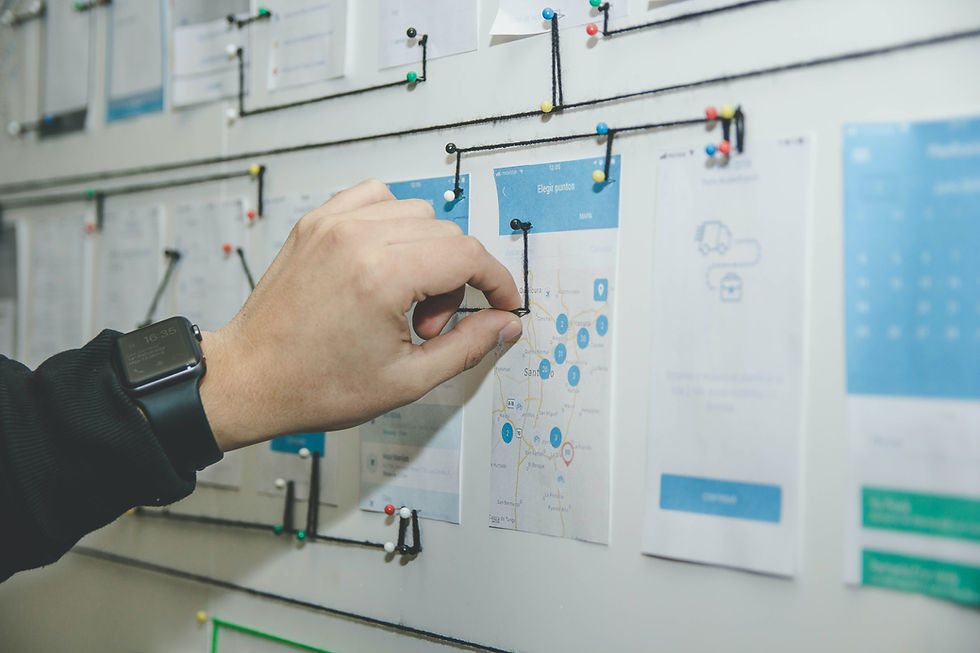
FulcrumSC™ CI System offers a practical approach to building lasting flow in your operations
What Makes FulcrumSC™ CI System Different
Unlike traditional continuous improvement tools that focus on quick fixes or isolated changes, the FulcrumSC™ CI System centres on creating a lasting flow. This means designing processes that naturally support smooth progress without constant firefighting or interruptions.
Key features include:
Clear visualisation of workflows to identify where delays or waste occur
Simple, repeatable steps that teams can follow consistently
Built-in feedback loops to adjust and improve over time
Focus on sustainability so improvements last beyond initial implementation
By focusing on flow rather than just speed or output, the system helps teams avoid burnout and maintain steady progress.
How to Implement FulcrumSC™ CI System in Your Team
Getting started with the FulcrumSC™ CI System involves a few practical steps that any team can follow:
Map your current workflow
Begin by documenting each step in your process. Use simple flowcharts or visual boards to see how work moves from start to finish. This helps spot bottlenecks or unnecessary steps.
Identify key leverage points
Look for areas where small changes could have a big impact on flow. For example, reducing handoffs between team members or automating repetitive tasks.
Set clear, achievable goals
Define what lasting flow means for your team. It could be reducing cycle time by 20%, cutting down on errors, or improving communication between departments.
Introduce the system gradually
Start with one process or team. Use the FulcrumSC™ tools to track progress and gather feedback. Adjust as needed before expanding to other areas.
Encourage team involvement
Continuous improvement works best when everyone participates. Hold regular check-ins to discuss what’s working and what needs adjustment.
Real-World Examples of Lasting Flow
Several organisations have seen measurable benefits by applying the FulcrumSC™ CI System:
A manufacturing company reduced production delays by 30% after mapping its workflow and eliminating redundant quality checks. The system’s feedback loops helped them continuously fine-tune processes.
A software development team improved sprint completion rates by focusing on clear handoffs and reducing task switching. The simple, repeatable steps made it easier for new team members to onboard quickly.
A healthcare provider streamlined patient intake by redesigning forms and automating data entry. This reduced wait times and improved patient satisfaction scores.
These examples show that focusing on flow rather than speed or output delivers sustainable improvements.

Tips for Maintaining Sustainable Workflow
Once the FulcrumSC™ CI System is in place, maintaining lasting flow requires ongoing attention:
Regularly review workflows to catch new bottlenecks or changes in demand
Keep communication open so team members can share challenges and ideas
Celebrate small wins to build momentum and keep motivation high
Invest in training so everyone understands the system and their role in it
Use data to guide decisions rather than assumptions or habits
By treating workflow as a living process, teams can adapt and improve continuously without losing momentum.
Why Lasting Flow Matters
Sustainable workflow is more than just efficiency. It supports:
Better quality by reducing errors caused by rushed or unclear steps
Higher employee satisfaction as work becomes less stressful and more predictable
Stronger collaboration through clear roles and communication
Greater adaptability when teams can quickly adjust to new challenges
The FulcrumSC™ CI System helps teams build these benefits into their daily work, creating a foundation for long-term success.
Build Your CI Capability with the FulcrumSC Toolbox
Continuous improvement doesn’t fail because teams lack intent—it fails because they lack structure, visibility, and the right tools. The FulcrumSC Toolbox equips your teams with proven frameworks, practical templates, and visual management tools to turn improvement into a disciplined, repeatable system.
Whether you are starting your CI journey or scaling it across your supply chain, the FulcrumSC Toolbox helps you align people, processes, and performance—end to end.
Ready to empower your teams and make continuous improvement stick?
Explore the FulcrumSC Toolbox through end2endsc – end2end supply chain consulting and academy, and start building sustainable CI capability today.
Contact us to discuss your team's Fulcrum journey! jolanda@end2endsc.co.za


Comments